chenziqi-t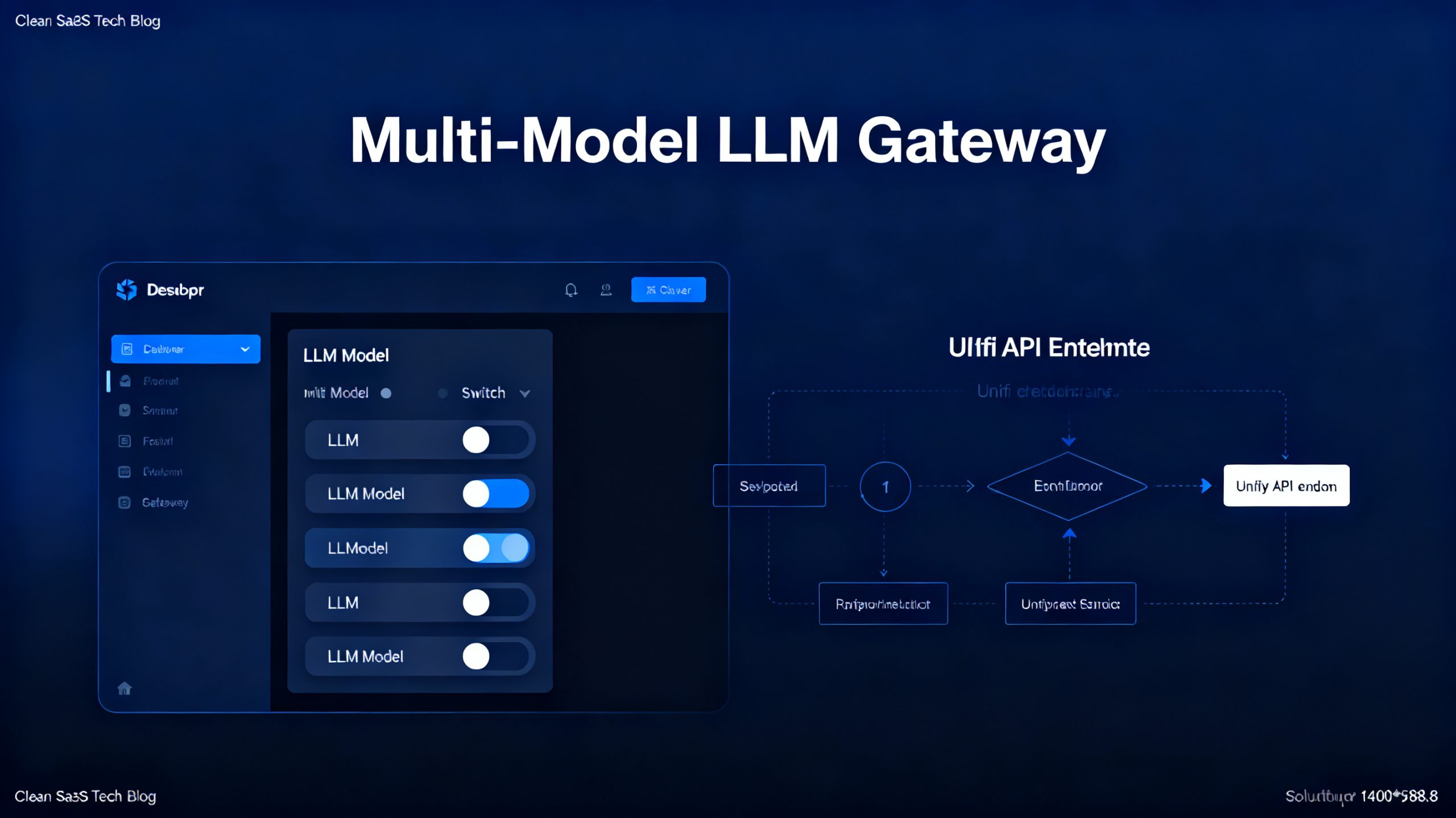
Most medium-sized SaaS teams hit a tricky bottleneck after testing multiple large language models: maintaining separate API keys, different request formats, scattered monitoring dashboards and fragmented billing for every LLM provider. If you switch between DeepSeek for coding tasks, Qwen for long marketing text and GLM for complex logical reasoning, your backend code quickly becomes bloated with redundant adapter logic, increasing bug risks and engineering maintenance workload.
The Pain Points Of Managing Separate LLM API Endpoints
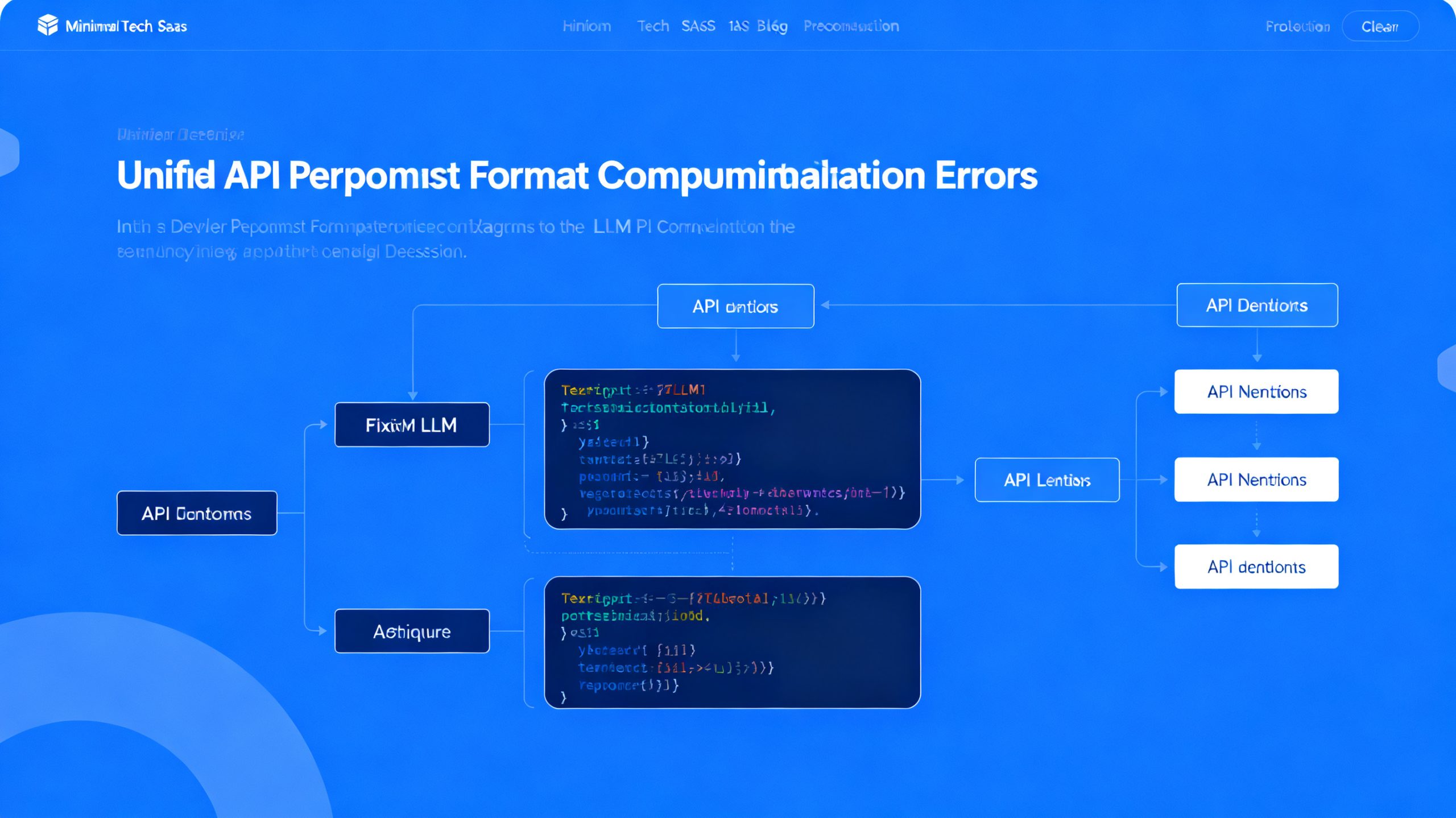
Before switching to a unified multi-model gateway, our engineering team maintained three independent API request modules for different LLMs. Every time a new model version launched, we had to rewrite parameter transfer functions, adjust error capture rules and add new token billing statistics scripts. During peak traffic hours, we also lacked an automatic switching mechanism: if DeepSeek hit rate limits, our application would throw service errors without fallback solutions.
For small development teams without dedicated AI infrastructure engineers, managing dozens of independent LLM access channels wastes dozens of working hours every month. Fragmented billing also makes it impossible to accurately calculate the total token cost of all AI requests, resulting in uncontrollable monthly API expenditure.
RouteAI Multi-Model Gateway Core Capabilities
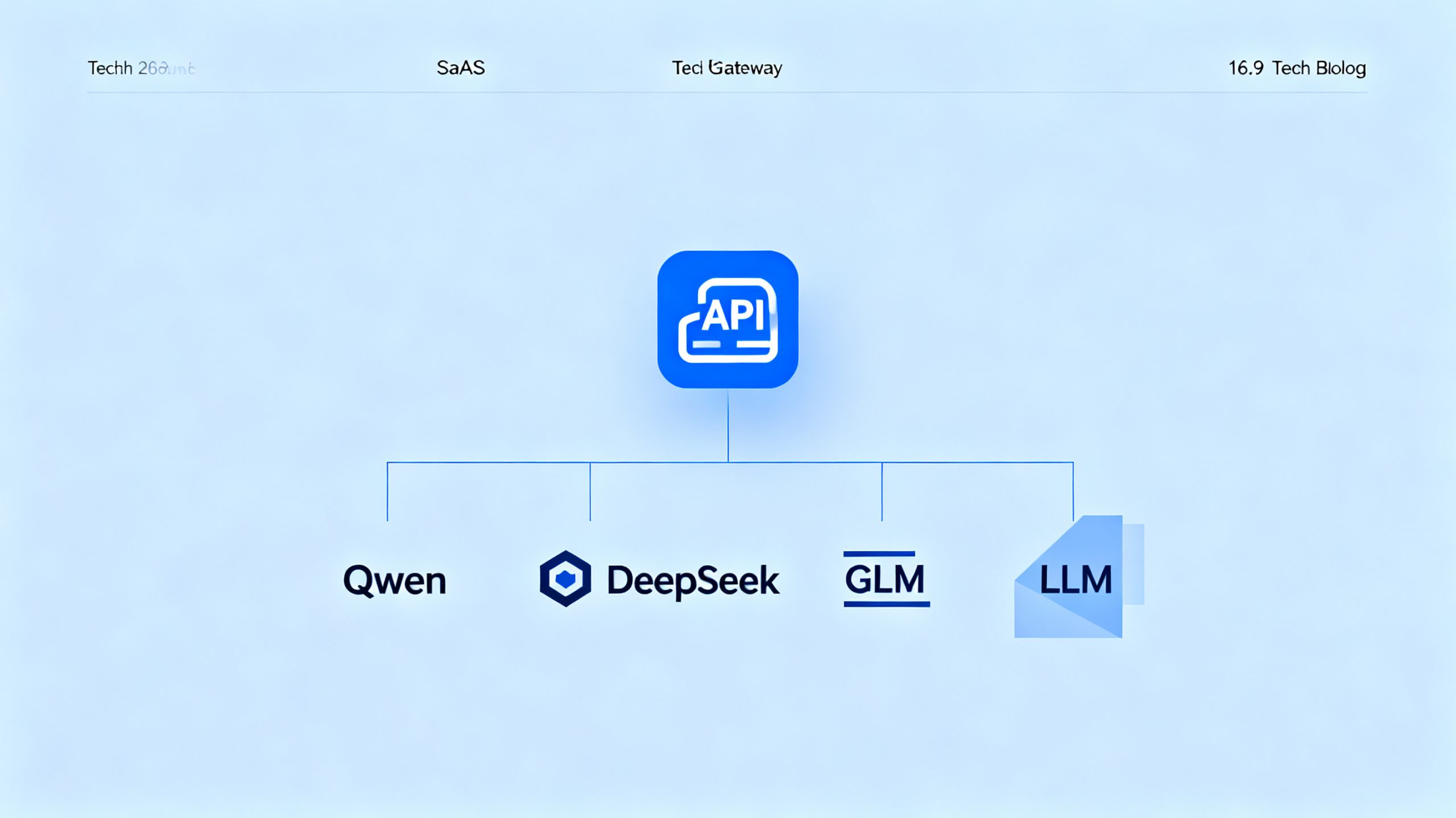
RouteAI builds a unified access layer for all mainstream open-source and commercial large models, integrating Qwen series, DeepSeek full versions, GLM-5, MiniMax and more inside one compatible API endpoint. Developers only need to store one set of API credentials to call all supported LLMs, completely removing repetitive adapter code development work.
1. Single OpenAI-Compatible Endpoint For All Models
No matter which LLM you need to invoke, all requests are sent to the identical base URL. You only change the model name parameter inside the request body, and the gateway automatically distributes traffic to corresponding model clusters. The request structure, streaming response format and function calling rules fully match official OpenAI SDK standards, requiring zero code reconstruction for existing projects.
2. Automatic Model Failover & Traffic Routing
When a certain model hits request limits or returns continuous timeout errors, RouteAI gateway intelligently forwards requests to alternative backup models you preset, avoiding front-end service crashes during traffic spikes. You can set priority weights for different models according to cost, response speed and output quality to realize fully automatic intelligent scheduling without manual intervention.
3. Unified Global Billing & Full Usage Logs
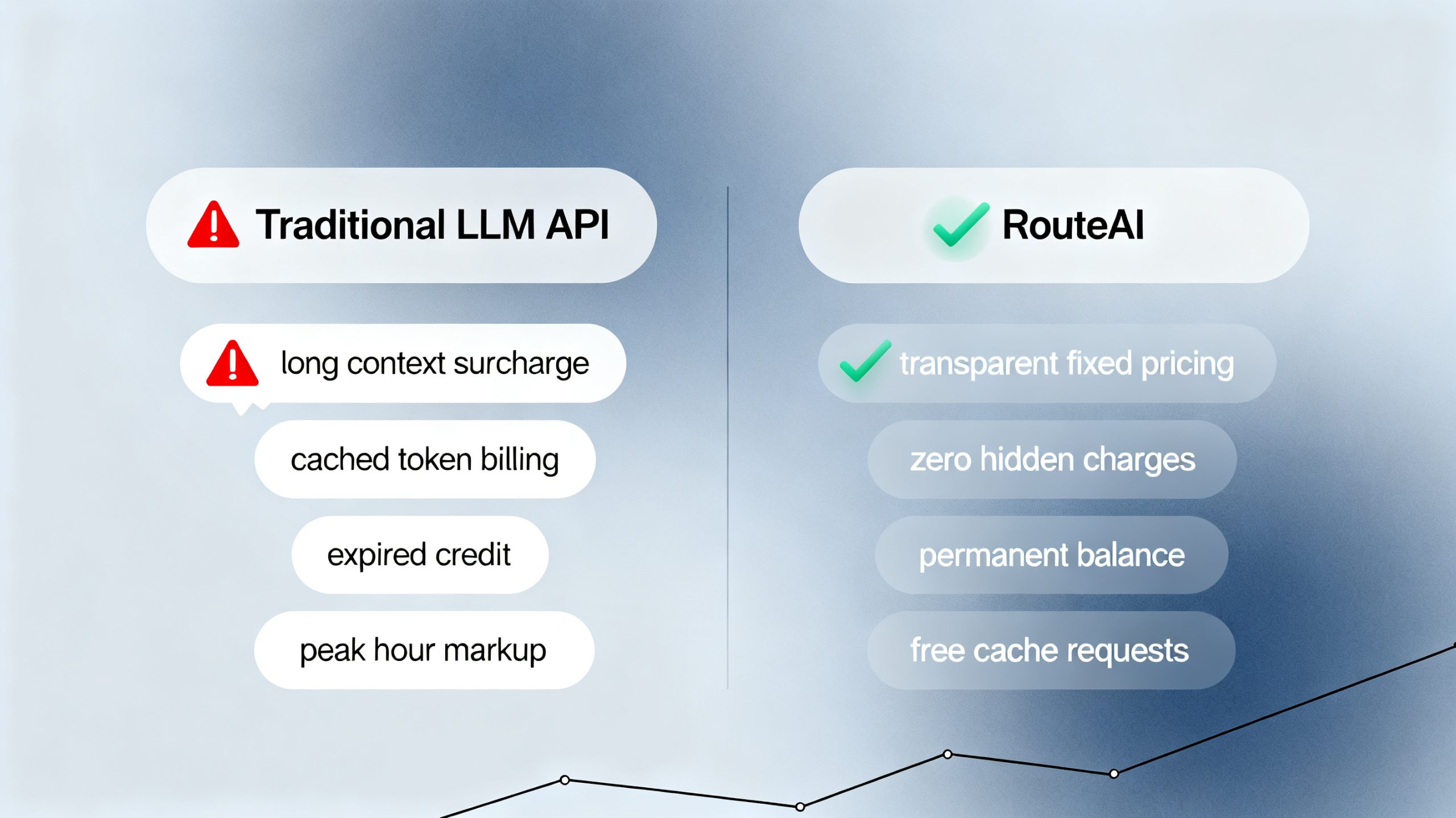
All token consumption of Qwen, DeepSeek, GLM and other models converges into one transparent bill. The backend dashboard displays separate token statistics for each model, clear cost breakdown and request success rate curves. There are no scattered recharge balances or independent hidden fees for different model providers; all consumption is deducted from one unified account balance that never expires.
4. Low Server Threshold For Enterprise-Scale Deployment
The multi-model gateway does not require expensive GPU cluster deployment on your own side. All inference computing pressure is undertaken by RouteAI global edge nodes. Even small teams with basic cloud servers can access dozens of top-tier LLMs with stable low-latency responses, eliminating the high cost of self-hosting multiple large models.
Minimal Python Code Example For Multi-Model Calls
from openai import OpenAI # Only one unified endpoint for all LLMs client = OpenAI( api_key="YOUR_ROUTEAI_API_KEY", base_url="https://api.fastrouteai.com/v1" ) # Call DeepSeek V4 Pro deepseek_res = client.chat.completions.create( model="deepseek-v4-pro", messages=[{"role": "user", "content": "Write backend Python code for user login system"}] ) # Call Qwen 3.7 Max with identical client object qwen_res = client.chat.completions.create( model="qwen-3.7-max", messages=[{"role": "user", "content": "Long product marketing copy for AI SaaS tool"}] ) print(qwen_res.choices[0].message.content) The code above clearly shows the core advantage of the multi-model gateway: you reuse exactly the same client configuration to switch any supported LLM, with no extra configuration files or third-party request libraries installed.
Who Needs A Unified Multi-Model LLM Gateway?
This one-endpoint multi-model solution fits three types of teams perfectly: AI SaaS platforms that need different models to handle user diversified demands, game development teams generating various NPC dialogue content, and marketing agencies producing multi-style long text content at scale. If your business frequently switches between multiple LLMs to balance cost and output quality, RouteAI unified gateway can greatly reduce your long-term operation and development costs.
If you are tired of maintaining dozens of independent LLM API access addresses and messy scattered billing records, explore RouteAI multi-model gateway features and integrate all mainstream large models into one unified access channel within ten minutes. For customized enterprise-level routing strategies and dedicated stable model clusters, contact the official team through WhatsApp official channel to get exclusive technical support and preferential pricing plans.
In 2026, building AI products no longer requires complicated multi-model infrastructure management. The unified multi-model gateway represented by RouteAI lowers the technical threshold for using multiple LLMs, allowing development teams to focus on core product functions instead of tedious LLM access adaptation work.