chenziqi-t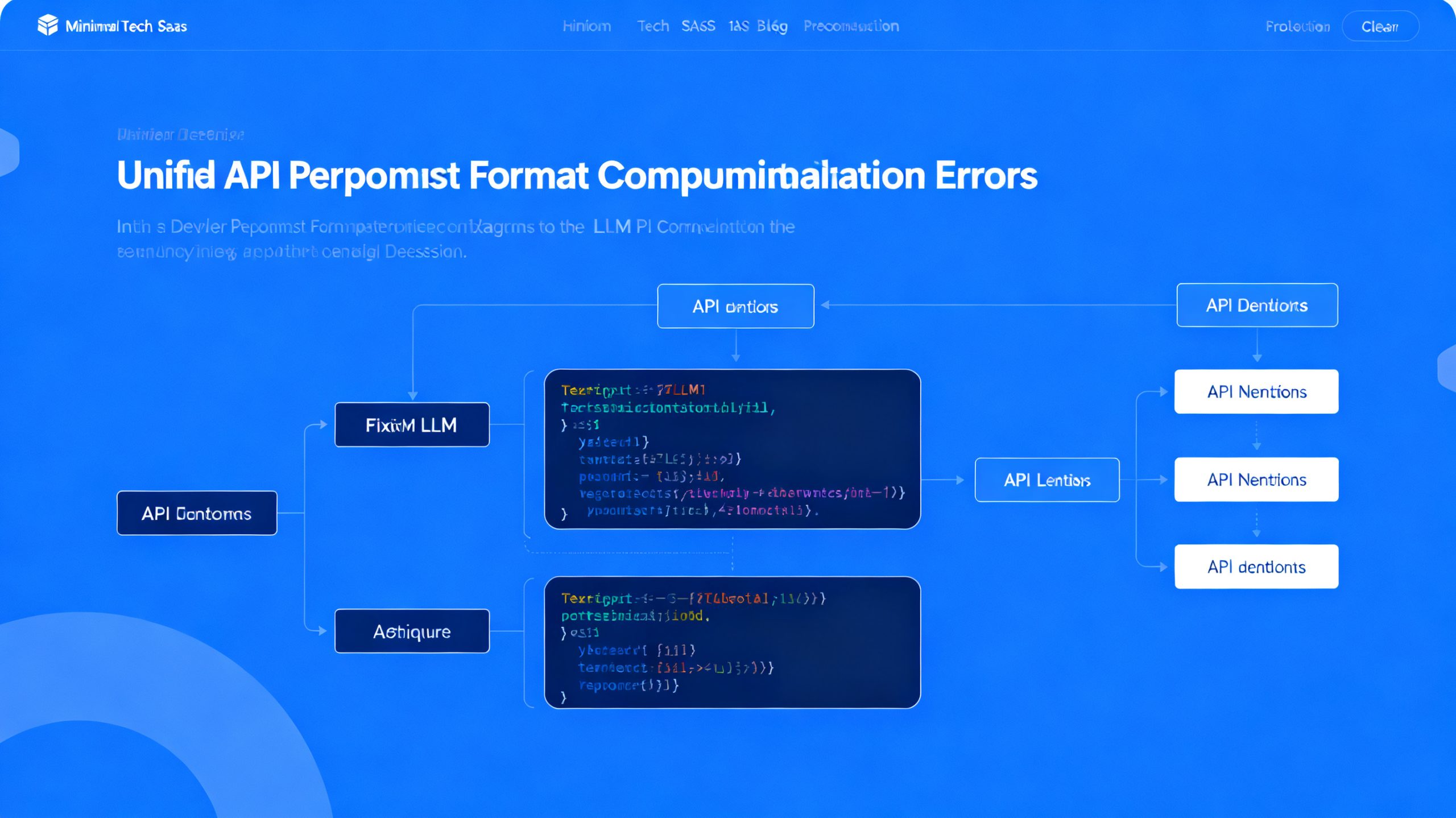
Most AI developers encounter a fatal annoying problem when using multiple open-source models: different LLMs return different response formats. Qwen, DeepSeek, and GLM each have unique field names, stream structures, and error return rules. Switching models often breaks your entire code logic, causing runtime crashes, empty outputs, and unknown API parsing errors.
Even if you successfully connect multi-model APIs, you have to write massive judgment code to adapt different return structures. It greatly increases project complexity and brings unpredictable maintenance risks for long-term AI products.
Why Multi-Model LLM APIs Cause Constant Compatibility Bugs
After testing mainstream open-source LLM interfaces, we summarized three core compatibility pain points that almost every developer faces:
- Different JSON response fields: Some models return “content”, some return “answer”, and individual models use “text”, resulting in parsing failure.
- Inconsistent streaming rules: Qwen stream returns complete segments, while DeepSeek splits single words, easily causing front-end display chaos.
- Disordered error codes: Each model defines timeout, rate limit, and parameter error codes independently, making unified exception handling impossible.
- Model parameter differences: Temperature, top_p, and max_tokens parameters have different value ranges, causing silent failures without prompts.
For indie developers and small SaaS teams, these tiny compatibility differences mean you must rewrite adaptation logic every time you replace a model. It seriously slows down product iteration and increases online failure risks.
How RouteAI Standardizes All LLM Responses Into Unified Format
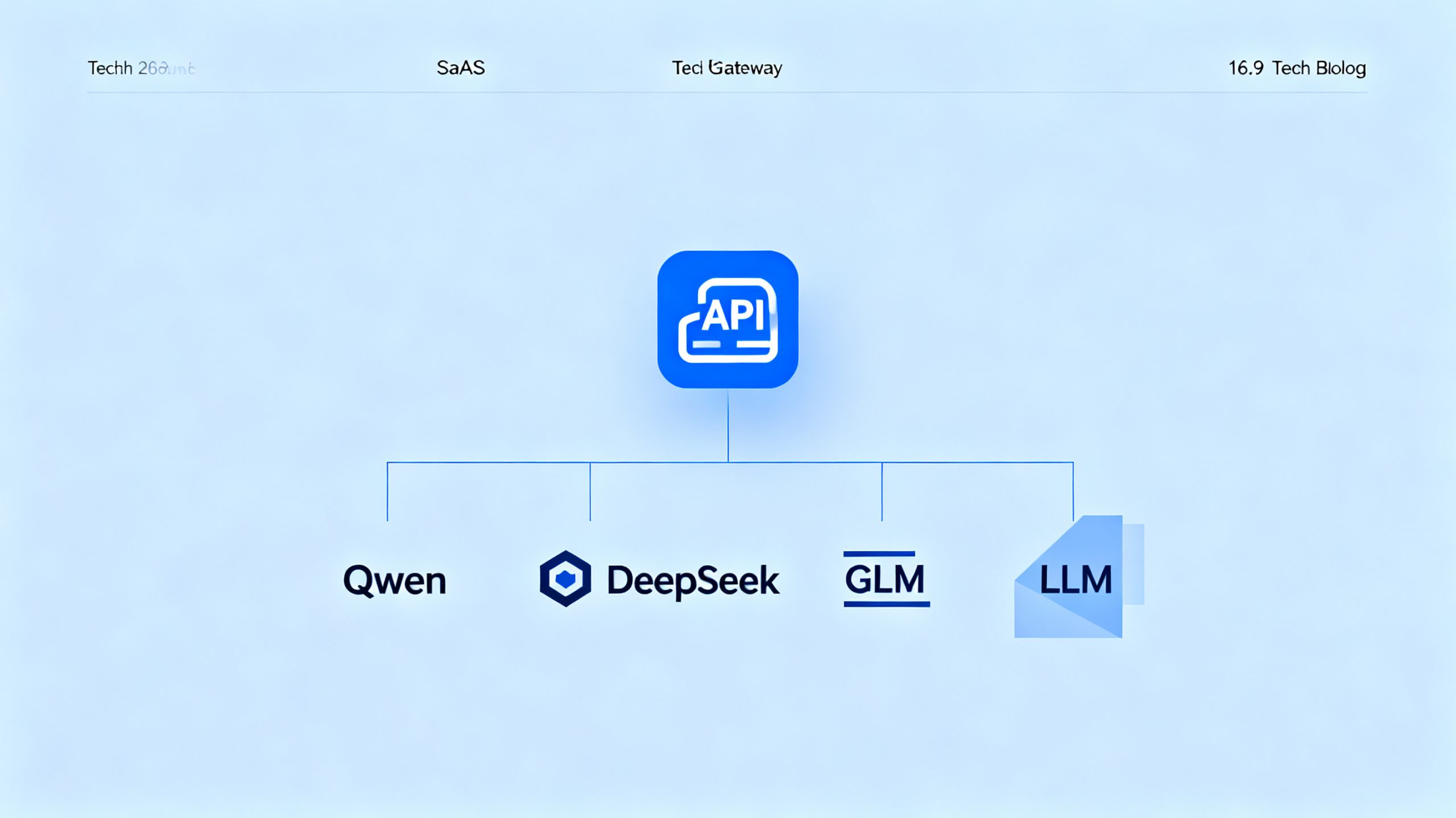
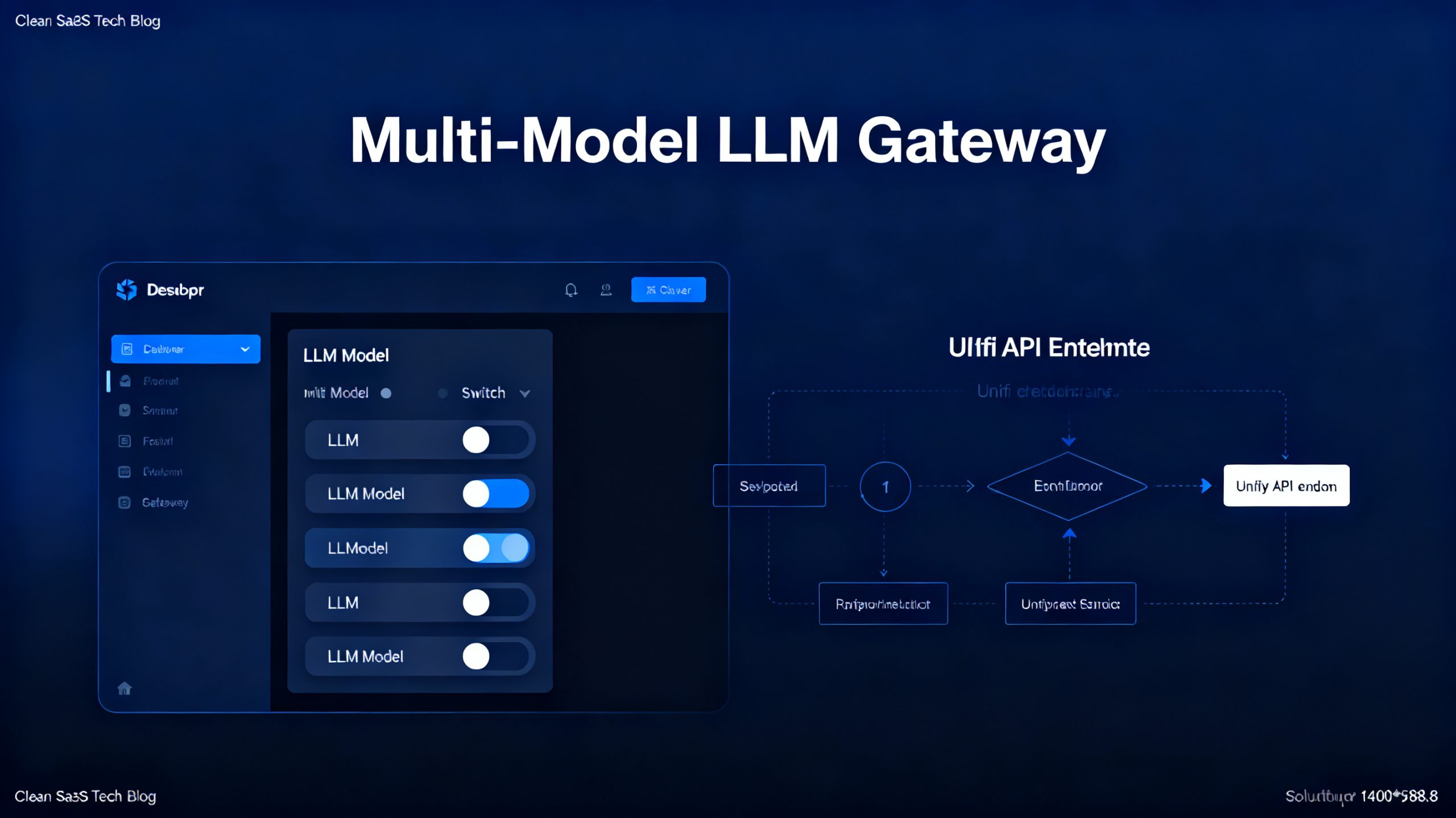
RouteAI builds a powerful LLM format normalization layer, uniformly converting Qwen, DeepSeek, GLM and other open-source model returns into standard OpenAI-compatible API format. No matter which model you switch to, the interface structure remains exactly the same.
1. Unified JSON output structure
All models uniformly use standard choices.message.content return format, completely solving field inconsistency parsing errors. Your parsing code never needs modification for model replacement.
2. Standardized stream output rules
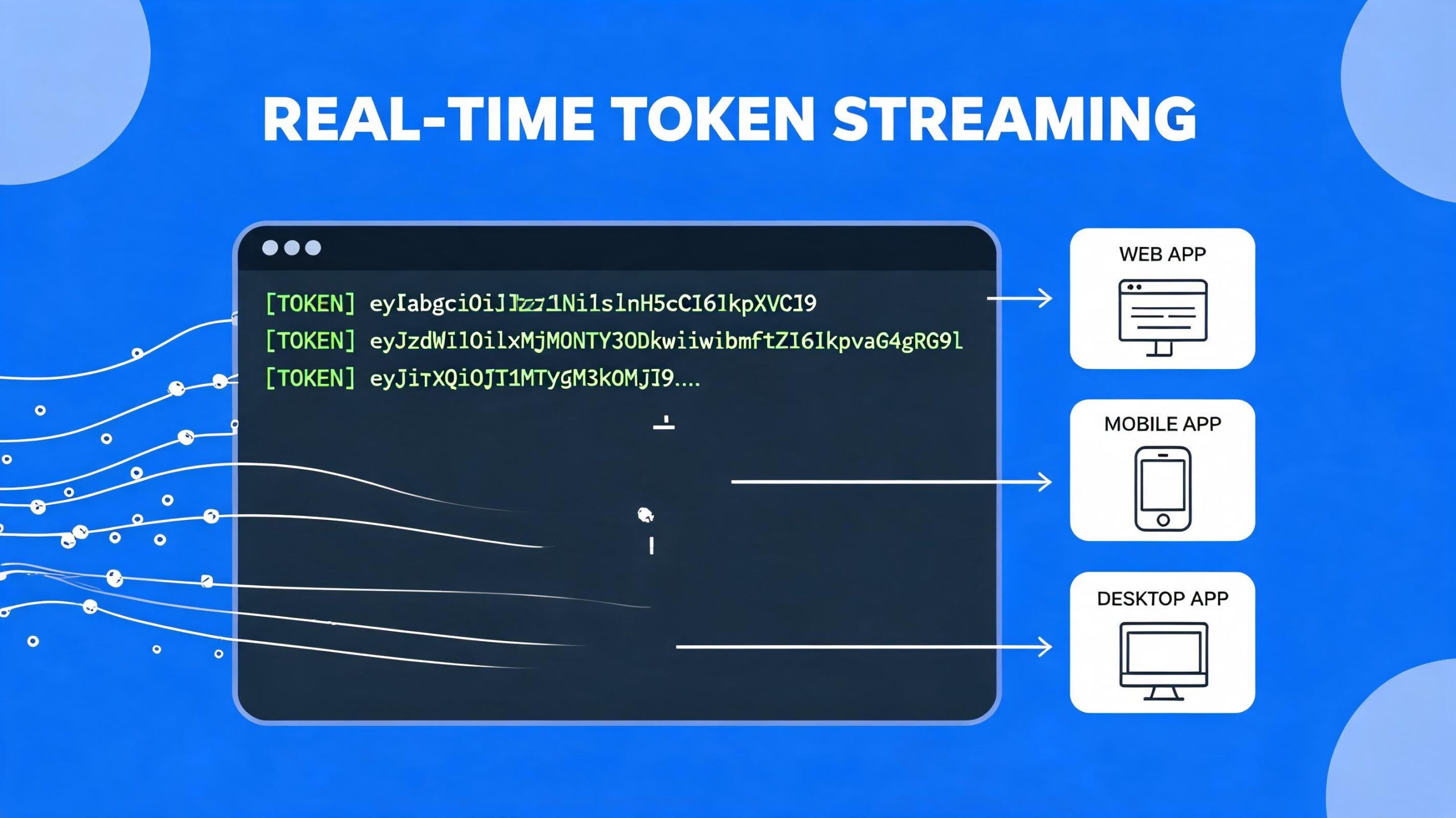
Unified word segmentation and output frequency for streaming responses, ensuring consistent front-end typing animation performance across all LLMs.
3. Global unified error code system
Uniform definitions for timeout, rate limit, insufficient balance, and parameter errors. Developers can write one set of exception logic to cover all models.
4. Compatible parameter adaptation
The gateway automatically adapts parameter ranges for different models. You can use fixed OpenAI standard parameters without checking model compatibility manually.
Standard Multi-Model Calling Code (No Compatibility Modification)
from openai import OpenAI

# Single unified configuration for all models
client = OpenAI(
    api_key="YOUR_ROUTEAI_API_KEY",
    base_url="https://api.fastrouteai.com/v1"
)

# Switch models freely without changing parsing code
models = ["qwen-3.7-max", "deepseek-v4", "glm-4"]

for model in models:
    res = client.chat.completions.create(
        model=model,
        messages=[{"role": "user", "content": "Test unified response format"}],
        stream=False
    )
    # Unified output field for all LLMs
    print(f"{model} Response: {res.choices[0].message.content}")
As shown in the code above, you can switch freely among Qwen, DeepSeek, and GLM without modifying any parsing logic. All compatibility adaptation is automatically completed by the RouteAI gateway.
Core Benefits For Developer Teams
First, it drastically reduces development costs. Teams no longer need to maintain multiple sets of adaptation code for different models. Second, it greatly improves product stability, avoiding online crashes caused by model format differences. Third, it supports free model switching at any time, helping developers select the optimal LLM for different business scenarios.
If you are still troubled by frequent LLM compatibility errors and messy adaptation code in 2026, RouteAI’s standardized multi-model gateway can completely solve this pain point.
Check RouteAI official website to get free trial credits and experience one-line unified multi-model API calling. For enterprise customized compatibility rules and private deployment solutions, contact the official WhatsApp channel for technical support.
Standardized and unified LLM API response format has become the essential infrastructure for AI development in 2026. RouteAI helps developers focus on business logic rather than repetitive compatibility adaptation work.