chenziqi-t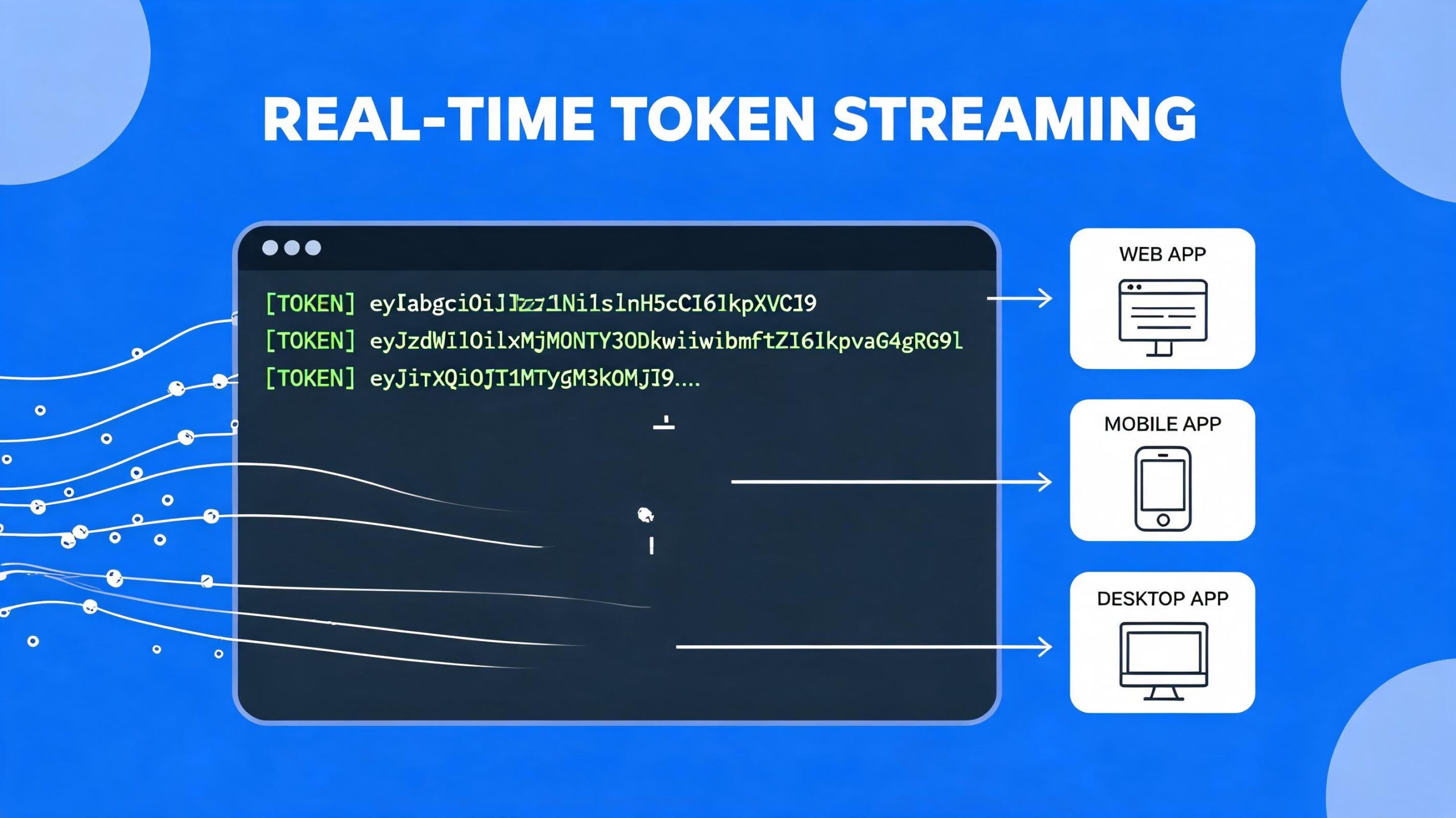
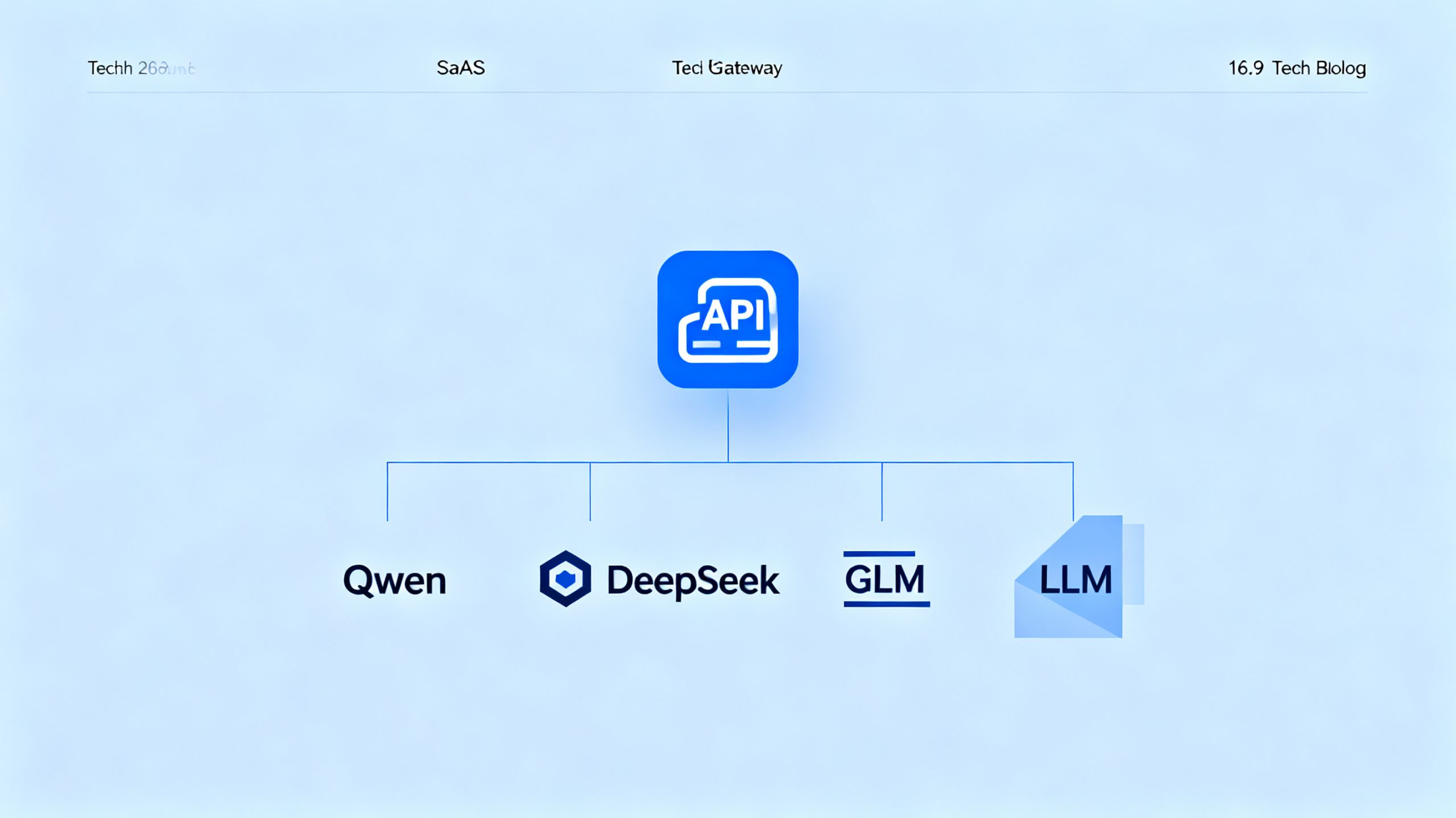
Real-time typing effects are one of the most expected features in modern AI applications. Yet when you connect multiple open-source models, streaming output becomes unpredictable. Qwen sends complete phrases in one chunk, DeepSeek streams character by character, and GLM inserts extra whitespace or line breaks between tokens. Your front-end typing animation stutters, jumps, or displays broken text depending on which model answers.
Fixing this usually means writing separate stream parsers for every provider, normalizing chunk boundaries on the fly, and patching edge cases that only appear with certain prompts. It is messy, error-prone, and impossible to maintain as you add more models.
Why Multi-Model Streaming Breaks Your Front-End
After testing streaming responses across major open-source LLMs, we found four recurring issues that ruin the user experience:
- Uneven chunk sizes: One model returns 50 tokens per event, another returns a single character, making typing speed feel inconsistent and jittery.
- Missing or duplicated delta fields: Some streams use delta.content, others use message.content, and a few repeat already-sent text in subsequent chunks.
- Inconsistent finish signals: Models mark stream completion with different finish_reason values, extra empty chunks, or no termination signal at all, leaving connections hanging.
- Unstandardized error injection: When a model fails mid-stream, it may return a plain text error inside a data chunk instead of a proper error event, breaking your parser.
For teams building chat interfaces or AI editors, these inconsistencies mean you cannot reuse a single front-end streaming component. Every new model requires custom parsing logic and extensive UI testing.
How RouteAI Standardizes Streaming For Every LLM
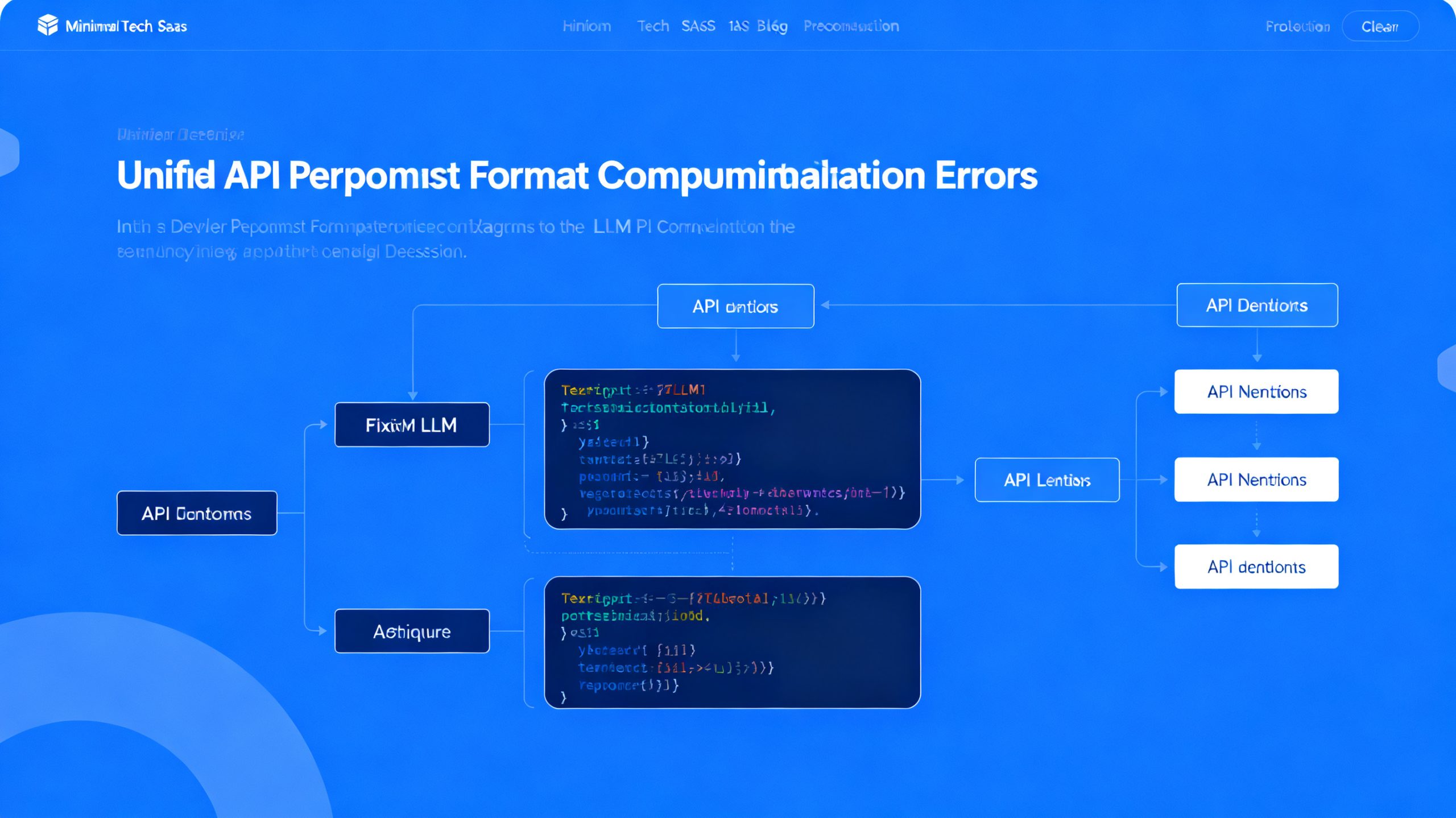
RouteAI applies a real-time stream normalization layer between the model and your application. Raw chunks from any provider are buffered, re-segmented, and re-emitted as a uniform OpenAI-compatible SSE stream, so your front-end only needs to handle one format.
1. Consistent token chunking
The gateway buffers raw output and re-emits tokens at a steady, configurable pace. Typing speed feels identical whether the backend is Qwen, DeepSeek, or GLM.
2. Unified delta structure
Every stream event follows the standard choices[0].delta.content format. No more checking multiple field names or handling missing keys in your front-end code.
3. Reliable finish detection
RouteAI injects a standard [DONE] termination event and a consistent finish_reason for every model, so your connection always closes cleanly.
4. Mid-stream error handling
If a provider fails during streaming, the gateway converts it into a standard error event instead of leaking raw text into the data stream, preventing front-end crashes.
Standard Streaming Code (One Parser For All Models)
from openai import OpenAI

client = OpenAI(
api_key="YOUR_ROUTEAI_API_KEY",
base_url="https://api.fastrouteai.com/v1"
)

# Same streaming logic works for every model
models = ["qwen-3.7-max", "deepseek-v4", "glm-4"]

for model in models:
stream = client.chat.completions.create(
model=model,
messages=[{"role": "user", "content": "Explain streaming normalization"}],
stream=True
)
print(f"\n--- {model} ---")
for chunk in stream:
if chunk.choices[0].delta.content:
print(chunk.choices[0].delta.content, end="", flush=True)
The exact same streaming loop handles Qwen, DeepSeek, and GLM without any conditional logic. RouteAI absorbs all chunk-size and format differences behind the scenes, so your front-end receives one predictable token stream.
Core Benefits For Developer Teams
First, you build one streaming front-end component and reuse it across every supported model. Second, users experience smooth, consistent typing animations regardless of which model handles their request. Third, mid-stream failures are caught and standardized, so your UI never displays raw provider error text to end users.
If your multi-model chat interface still suffers from jittery typing and broken stream parsing in 2026, RouteAI’s unified streaming layer can eliminate that entire category of bugs.
Check RouteAI official website to get free trial credits and test consistent streaming across multiple LLMs. For enterprise custom stream rules and private deployment, contact the official WhatsApp channel for technical support.
Unified streaming output is becoming a baseline requirement for polished multi-model AI products in 2026. RouteAI lets developers ship one smooth real-time experience instead of patching per-model stream parsers forever.